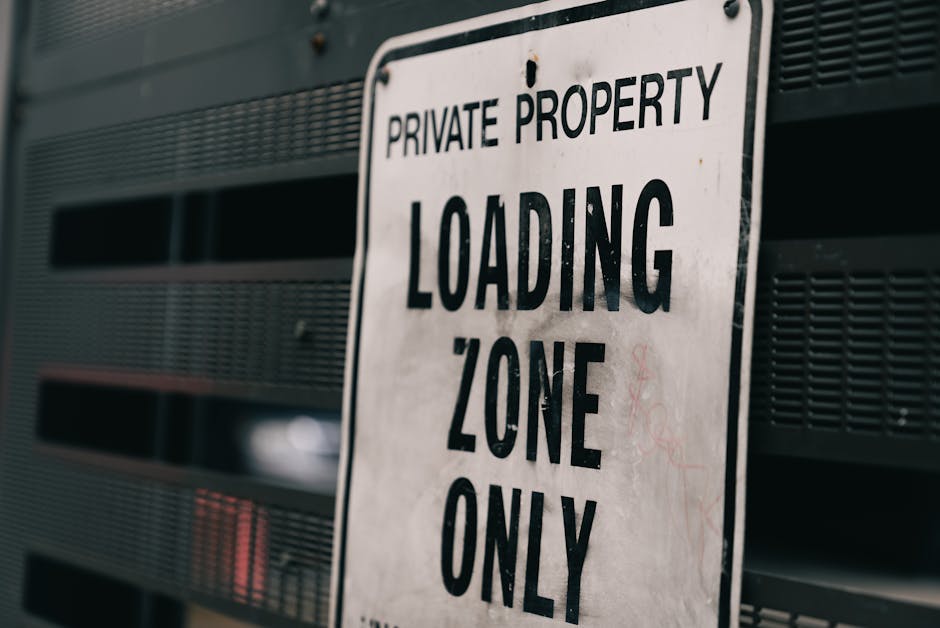
Avoid fines: Longlands skip hire, parking & loading laws
Posted on 12/07/2026
Avoid fines: Longlands skip hire, parking & loading laws
Hiring a skip or arranging a loading bay in Longlands sounds straightforward until you realise that parking, access and street use can become the part that causes the headache. One wrong assumption, one badly placed skip, or one van left blocking the road a little too long, and suddenly you are dealing with avoidable fees, complaints, or a knock on the door from enforcement. Not ideal. If you are planning a move, a clear-out, or any bulky loading in Longlands, this guide explains the practical side of skip hire, parking and loading laws so you can stay on the right side of things and keep the day moving.
In this article, we will look at what usually matters, what people get wrong, how to prepare properly, and where the common risk points are around residential streets, station areas, narrow roads and busy pickup times. You will also find a checklist, a comparison table, and a realistic example based on the sort of moving day people in Longlands actually face.
Why Avoid fines: Longlands skip hire, parking & loading laws Matters
Longlands is the sort of place where logistics can change quickly from easy to awkward. A road that looks manageable at 8am may feel very different by school run time or when commuters are back and every gap is taken. That matters because skip placement, vehicle loading and roadside parking are not just convenience issues; they affect safety, traffic flow, neighbours and sometimes whether your move can happen at all.
If you are using a skip, you need to think about whether it will sit on private land or on the highway. If a van is loading furniture, you need to think about access, visibility, and whether the vehicle is stopped in a place that could cause an obstruction. And if you are juggling both on the same day, well, that is where the risk of a fine or delay can creep in. A small oversight becomes a costly one. Truth be told, most fines do not come from dramatic mistakes; they come from small planning gaps.
This topic matters even more in streets where space is limited, because one wrongly timed delivery can block a junction, slow down neighbours, or make moving crews work dangerously close to traffic. It is also relevant if you are booking a Longlands road moving guide for timings and parking access, because timing and access decisions often decide whether the day runs smoothly or turns into a bit of a scramble.
How Avoid fines: Longlands skip hire, parking & loading laws Works
At a practical level, the process usually breaks into three separate questions: where the skip will go, where the vehicle will stop, and how long the loading or unloading will take. That sounds simple, but each one has its own risk area.
Skip hire: if the skip goes on private land, such as a driveway, the main concerns are access and safety. If it goes on a public road or verge, you may need permission and you need to be extra careful about positioning, visibility and any lighting or marking requirements. The exact approval route depends on local rules and the road in question, so do not assume a skip can just be dropped wherever there is space.
Parking: in Longlands, the tricky bit is often not the parking space itself but the knock-on effect. A van that looks legally parked can still be a problem if it blocks dropped kerbs, bends, junctions, bays reserved for others, or places where residents need regular access. Let's face it, a removal van parked "just for a minute" can feel like an hour to the street.
Loading and unloading: there is usually more tolerance for stopping briefly to load heavy items, but that does not mean you can stop anywhere. If you leave a vehicle in a way that causes an obstruction, holds up traffic, or creates a safety issue, you are exposing yourself to complaints or enforcement. The safest approach is to plan the loading window, keep items ready, and reduce the time the vehicle is standing still.
For people moving in or out of flats, narrow streets or shared access developments, the difference between a smooth move and a stressful one is often a few minutes of planning. If you are preparing for a flat move, the advice in flat removals in Longlands is especially useful because flat access and roadside loading tend to go hand in hand.
Key Benefits and Practical Advantages
There is a real payoff to handling the legal side properly. It is not just about avoiding penalties, although that is obviously a big one. You also get a calmer moving day, fewer delays, and a better experience for everyone involved.
- Less risk of fines or warnings from parking enforcement or local officers.
- Faster loading because the vehicle is positioned sensibly from the start.
- Lower chance of damage to furniture, pavements, kerbs or the vehicle itself.
- Better neighbour relations because you are not blocking access without warning.
- More accurate planning for skip placement, lift access and van arrival times.
- Less stress on the actual day, which is worth a lot more than people think.
One of the quieter benefits is that it forces you to make decisions earlier. Once you have sorted parking, loading zones and skip placement, the rest of the move tends to feel more manageable. You stop second-guessing every step. And that is a good place to be.
For bigger household moves, better planning also supports safer handling. If you are moving heavier furniture or awkward pieces, pairing access planning with sensible packing makes the whole process easier. A good place to start is packing for moving house in a more organised way, because organised packing shortens loading time and cuts the risk of roadside delays.
Who This Is For and When It Makes Sense
This guidance is for anyone in Longlands who needs to use the street, kerbside space or a nearby loading point during a move or clearance. That includes homeowners, tenants, landlords, students, small businesses, and anyone hiring a van or arranging a skip.
It makes particular sense if you are:
- moving from a flat with limited access
- clearing out furniture or bulky household items
- using a skip for renovation waste or decluttering
- loading near a busy road, station area or high street
- organising a same-day move where timing matters a lot
- moving heavy or awkward items that take longer to load
If you are a student, the timing issue is especially common. Tenancies overlap, vans are booked in a rush, and parking is often the last thing anyone thinks about. Then the street fills up. Then the clock starts ticking. If that sounds familiar, the short-notice student moves in Longlands guide is a helpful companion.
For larger or awkward items like wardrobes, mattresses or a piano, access planning becomes even more important because those jobs are slower by nature. If that is your situation, the practical notes in wardrobe and bulky-item removals in Longlands will help you think through the time and space needed.
Step-by-Step Guidance
Here is a simple way to approach the job without overcomplicating it. You do not need a giant spreadsheet. Just a clear sequence and a bit of honesty about what the street can actually handle.
- Check the exact address and access route. Look at the road width, nearby bays, turning space, and whether your vehicle can stop without causing an obstruction.
- Decide whether the skip will be on private or public land. Private drive? Easier. Highway or verge? Much more likely to need prior permission and extra care.
- Match the vehicle size to the street. A larger van is not always better. In some areas, a smaller vehicle is far easier to place legally and safely.
- Book the right time window. Aim for quieter periods when possible. Early morning can work well, but only if the street is quiet and residents are not being disturbed.
- Pre-pack and stage items indoors. Keep boxes stacked near the exit, label awkward items, and remove loose rubbish before the van arrives.
- Protect the loading area. Keep paths clear, avoid leaving loose rubbish or packaging in the street, and make sure doors can open fully.
- Confirm any permit or permission requirements. Do not guess. If a parking bay, yellow line, or road space is needed, plan for the formal step before moving day.
- Keep the loading time tight. Have enough hands available, move in one direction, and avoid leaving the vehicle half-loaded for long periods.
A small but important point: build in a margin. If you think loading will take 45 minutes, act as though it will take an hour and a half. That extra buffer can save you from rushing, and rushing is where mistakes happen.
If you are also trying to reduce household volume before the move, pre-move decluttering can make a surprising difference. Fewer items means fewer trips, less time at the kerb, and a lower chance of awkward parking pressure.
Expert Tips for Better Results
These are the small things that tend to separate a clean move from a messy one.
- Use one loading door where possible. It keeps movement controlled and avoids everyone colliding in a hallway or driveway.
- Label the heaviest items first. Put them nearest the exit if you know they will be loaded early.
- Avoid peak traffic where you can. A quieter street means fewer delays and less pressure to double-park.
- Have a plan for overspill waste. Do not let loose packaging or broken items end up sitting beside the skip, because that can create a mess and more attention than you want.
- Communicate with neighbours. A quick note or a friendly mention can prevent complaints if access will be tight for a short time.
- Measure bulky furniture before the day. It is amazing how often a sofa or wardrobe is assumed to fit a route that simply does not.
Sometimes the best tip is the boring one: keep things tidy. The less clutter around the vehicle, the quicker and safer the work tends to be. Also, nobody enjoys stepping over bubble wrap while carrying a lamp. Nobody.
If your move involves especially heavy lifting, it is worth thinking beyond parking and into handling technique too. A useful reference point is lifting heavy weights alone more safely, because safe movement and sensible route planning go together more often than people realise.
Common Mistakes to Avoid
This is where people usually trip up. And to be fair, the mistakes are understandable. Moving day is busy. You are juggling keys, tape, boxes, people, and often a fair bit of stress.
- Assuming a road space is automatically okay. Just because there is a gap does not mean you can stop there.
- Leaving the skip arrangement until the last minute. If you need permission, that delay can push the entire schedule back.
- Ignoring sightlines and driveways. A skip or van that blocks visibility can create a real safety issue.
- Using the wrong vehicle size. Too large and you may struggle with access; too small and you create extra trips.
- Not checking whether loading will interfere with residents or businesses. That is where complaints often start.
- Underestimating how long bulky items take. Wardrobes, beds and pianos are rarely quick, even on a good day.
One real-world pattern we see often is this: people plan the lifting but not the stopping. They know how the furniture will move indoors, yet they have not thought through where the van will stand or how the skip will be positioned. That gap is where fines and frustration tend to live.
If you are dealing with items that need special handling, the piano moving guide is a good reminder that the "easy" part is often not the lifting, but the access and positioning.
Tools, Resources and Recommendations
You do not need fancy kit, but the right basics make compliance and loading much easier.
- Measuring tape for checking furniture sizes, gate widths and bay space.
- Clipboard or notes app for the loading plan, contact details and any permission reference numbers.
- High-visibility markers or cones where permitted, to make the loading zone more visible.
- Furniture blankets, straps and trolleys to speed up loading and reduce accidental damage.
- Box labels so movers can prioritise unloading without unnecessary waiting.
- Rubbish sacks and tape for keeping loose material contained rather than scattered beside the road.
For broader move planning, it can also help to use support pages that cover the wider process. If you are still at the organising stage, packing and boxes in Longlands is useful for the practical side of preparing items for fast loading. If the job is bigger than a standard household move, the services overview can help you understand the range of support available.
And if you are comparing moving options, do not forget safety and insurance. Legal compliance is one part of the puzzle, but protecting belongings and people matters just as much.
Law, Compliance, Standards, or Best Practice
Because parking, loading and skip placement can involve public roads and local enforcement, the safest approach is to treat this as a compliance issue rather than a guesswork issue. The exact requirements can vary depending on location, road type and whether the skip or vehicle is on private or public land. If a permit is needed, apply in advance and keep any confirmation accessible on the day.
For vehicle loading, the standard best practice is simple: do not obstruct traffic, pedestrians, driveways or emergency access. Keep the area tidy, keep the loading time short, and avoid any placement that makes the street unsafe. That is not just courteous; it is the practical way to reduce the chance of a penalty.
For skips, use a reputable provider, make sure the skip is placed where it can be seen, and confirm whether any lighting, marking or placement restrictions apply. If waste is involved, do not overfill the container, and keep materials within the accepted load line. Overfilled skips are a common nuisance, and it can become a collection problem very quickly.
Best practice also includes looking after workers and helpers. If someone is carrying a heavy wardrobe from a narrow hallway to a roadside van, the route should be clear and the vehicle should already be positioned. A lot of injuries and mishaps happen not because the item is too heavy, but because the space is awkward. Planning reduces that risk.
Where house moves are involved, the health and safety policy and insurance and safety information are worth reading because they reinforce the wider duty of care around moving jobs.
Options, Methods, or Comparison Table
Here is a simple comparison of common approaches. The right one depends on access, volume, timing and how much tolerance there is for street disruption.
| Option | Best for | Main advantage | Main risk |
|---|---|---|---|
| Skip on private drive | Homes with decent frontage or driveway space | Usually simpler and less exposed to road restrictions | Space can still be tight; access must remain clear |
| Skip on public road | Properties without usable private land | Convenient when there is no on-site space | May need permission and careful placement |
| Standard van loading at kerbside | Smaller domestic moves and quick pickups | Fast and flexible | Obstruction risk if the street is busy or narrow |
| Managed removal service with planning | Flats, bulky items, or time-sensitive moves | Less stress, better timing, fewer access surprises | Needs good advance information from the customer |
For a lot of Longlands moves, the managed option is simply the easiest route because it reduces the number of decisions you need to make on the day. If you want a broader sense of what that looks like, the man with a van in Longlands and man and van Longlands pages are useful for understanding how a smaller, more flexible service can fit tighter access jobs.
Case Study or Real-World Example
Picture a typical Saturday morning in Longlands. A family is moving out of a first-floor flat, they have a sofa, a bed frame, a wardrobe and a pile of boxes, and they have also booked a skip for old household items they do not want to take with them. On paper, it is a straightforward domestic move.
Then the reality lands. The street has limited space, two neighbours are due out early, and the van cannot sit where the family first expected because it would block access to a driveway. The skip also cannot go exactly where they hoped because that would make turning awkward for larger vehicles. So the plan changes. A smaller loading window is used, the boxes are staged inside by the door, and the van is positioned earlier than expected in a safer place further along the road.
The result? Fewer delays, no complaints, and no frantic last-minute repositioning. The move is not magical. It is just managed. That is usually the difference.
In jobs like this, the people who win are not the fastest talkers. They are the ones who prepared the street-level details first. A tiny bit of patience goes a long way, especially when the pavement is narrow and everyone else is trying to get on with their day.
Practical Checklist
Use this before the van or skip arrives.
- Confirm whether the skip will be on private land or public land.
- Check whether any permission or parking arrangement is needed.
- Measure furniture, gates, corridors and the parking space.
- Choose a loading time that avoids the busiest local traffic if possible.
- Stage boxes and items near the exit before arrival.
- Keep pathways clear of loose bags, tools and packaging.
- Make sure the vehicle can stop without blocking driveways or junctions.
- Separate waste, items for storage and items for disposal.
- Have straps, blankets and a trolley ready for awkward furniture.
- Leave a little time buffer. More than you think, honestly.
If storage is part of the plan, it can help to sort those items separately before the move. For example, storage in Longlands may be the better choice for items you do not need immediately. And if you are storing a sofa or freezer, a bit of planning now prevents a lot of faff later.
Conclusion
Avoiding fines around Longlands skip hire, parking and loading laws is mostly about thinking one step ahead. Where will the skip sit? Can the van stop safely? Will the loading create an obstruction? Those are the questions that matter, and once they are answered early, the rest of the move becomes much easier.
The good news is that most problems are preventable. A clear plan, the right timing, sensible loading, and a realistic view of local access will keep you well away from the common traps. If you are moving in a tighter street, near a station, or around a busy road, that planning is not optional. It is the difference between a calm day and a rather expensive one.
And if there is one practical takeaway here, it is this: the street decides a lot. Respect the space, plan the access, and you will save yourself a lot of needless stress.
Get a free quote today and see how much you can save.