Longlands High Street pickups: narrow-access moving tips
Posted on 22/05/2026
Longlands High Street Pickups: Narrow-Access Moving Tips That Make the Job Easier
Picking up furniture, boxes, or bulky household items on Longlands High Street can look straightforward on a map, then turn into a bit of a headache the moment a van meets a tight bend, a parked car, or a flight of awkward steps. That's exactly why Longlands High Street pickups: narrow-access moving tips matter. Whether you are collecting a sofa, a bed frame, a piano, or a few heavier bits from a flat above a shop, the difference between a smooth pickup and a stressful one usually comes down to planning.
Truth be told, narrow access is rarely just about "is the road wide enough?" It's also about timing, parking, carrying distance, the size of the van, and how quickly you can load without blocking neighbours or the street. In this guide, we'll walk through the practical side of doing pickups safely and efficiently in Longlands, with local-minded advice, realistic examples, and a few hard-earned lessons that save time on the day.
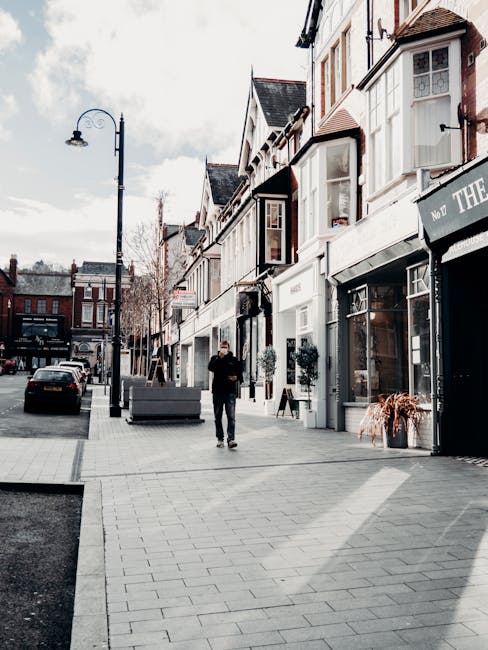
Why Longlands High Street pickups: narrow-access moving tips Matters
High street pickups sound simple because the item is already out of the property and waiting. But narrow access changes the whole picture. You may be dealing with limited kerbside space, busy traffic, tight turning points, shared entrances, and the occasional awkward loading bay that is technically "nearby" but not actually practical. On a busy stretch, a few extra minutes of hesitation can be enough to make loading harder for everyone.
That's why planning matters so much. A careful pickup reduces the risk of scratches, dropped items, parking disputes, and those little delays that snowball into a miserable afternoon. It also helps you choose the right service. A simple collection might suit a man and van in Longlands, while a heavier or more delicate load may be better handled through dedicated furniture removals in Longlands or a specialist service such as piano removals Longlands.
Narrow-access pickups also matter because the loading route can be harder than the move itself. A doorway that looks generous on paper may pinch at the frame. A stairwell may have a turn that forces a mattress or wardrobe to be angled just so. And if you are collecting from a flat, the route from front door to van might be a small obstacle course. Not dramatic. Just annoyingly precise.
For local planning context, our Longlands Road moving guide on timings, parking and access is a useful companion read if your pickup overlaps with tighter road conditions or time-sensitive parking.
How Longlands High Street pickups: narrow-access moving tips Works
At its core, a narrow-access pickup works by reducing unknowns before the van arrives. You assess the access route, confirm the item dimensions, think through parking and loading, and then choose the loading method that fits the space. That could be a hand-carry from a ground-floor shop, a stair carry from a maisonette, or a two-person lift with a trolley for the heavier pieces.
Here's the practical sequence most successful pickups follow:
- Measure the item properly. Height, width, depth, and any awkward extras like handles, feet, or detachable arms.
- Check the access route. Door widths, hallway turns, stair angles, and any low ceilings or narrow landings.
- Plan the vehicle position. The closer the van can safely get, the less carrying and shuffling you'll need to do.
- Prepare the item for movement. Remove loose parts, wrap fragile corners, and protect surfaces.
- Load in the right order. Heavy and stable items first, lighter or fragile items secured around them.
That process sounds neat on the page, and to be fair it usually is. In real life, though, you may need to improvise slightly. A parked car blocks the ideal spot. The lift is too small. The item turns out to be bulkier than expected. That's where experience helps. A good mover does not just push harder; they reassess the route and choose the safest angle, often saving the day with one boring but brilliant adjustment.
If you are still deciding how much help you need, the broader removal services in Longlands page is worth a look, especially if your pickup is part of a larger move rather than a one-off collection.
Key Benefits and Practical Advantages
The main benefit of a narrow-access pickup strategy is simple: fewer problems. But there are a few more specific gains that are easy to overlook when you are focused only on getting the item home.
- Less risk of damage: careful route planning lowers the chance of scuffs on walls, dents in furniture, and scratches on door frames.
- Faster loading: when the van is positioned well and the route is clear, the whole pickup feels calmer and quicker.
- Better use of labour: if you have hired help, you are paying for movement, not standing around discussing whether the table will fit after all.
- Safer lifting: small, cramped spaces increase strain, so good planning reduces awkward carrying and sudden twists.
- Lower stress: honestly, the emotional benefit is real. A pickup with a plan just feels less chaotic.
There is also a money angle. A poorly planned pickup can lead to extra waiting, more labour time, or a second trip if the vehicle is too small. That is where checking pricing and quotes in advance can help set expectations. Nobody likes surprise costs because someone guessed the wardrobe would "probably be fine."
For households doing pickups as part of a wider move, preparation works best in layers. Declutter first, pack sensibly, then schedule the collection. These guides can help: premove decluttering success and how to pack for moving house.
Who This Is For and When It Makes Sense
This approach is useful for a lot of different people. If your collection involves a tight High Street location, you are probably already in the right place. But narrow-access moving tips are especially helpful for:
- people collecting furniture from shops, private sellers, or storage units near the High Street
- flat dwellers dealing with stair-only access or narrow communal hallways
- students moving into smaller accommodation, especially with shared entrances
- families picking up bulky household items like beds, wardrobes, or freezers
- small businesses moving stock, office furniture, or archived items
- anyone who needs a same-day or short-notice pickup in a tight street layout
If that sounds familiar, services such as flat removals Longlands, student removals Longlands, or even office removals Longlands may be more relevant than a general one-off lift. The right choice depends on how much handling is involved, how delicate the item is, and whether the access route is the real challenge.
Sometimes the item is not the problem at all. The route is. A sofa that will fit in the van may still be awkward if the staircase has a turn at the bottom. A fridge might be manageable, but only if you have clear parking and a second person to guide the corners. These are the sorts of details that decide whether a pickup goes smoothly or becomes a long, sweaty puzzle. And yes, it is usually the hallway that wins.
Step-by-Step Guidance
Below is a practical way to approach Longlands High Street pickups with narrow access. It is not fancy, but it works.
1. Measure everything before the van is booked
Start with the item itself. Do not rely on "standard size" assumptions. Measure the widest point, the tallest point, and any bits that protrude. If the item can be dismantled, note what can come off safely. For a bed, that might be the headboard or slats. For a sofa, it may be the legs. For a large table, it might be the top and base separated.
Where possible, measure the route too. Door widths. Stair turns. Lift size. Even the tightest point of a communal entrance. A tape measure now is much cheaper than a failed lift later.
2. Decide where the van can stop
Parking and stopping position can make or break a pickup. If the van must park a little further away, factor in the extra carry distance. On a narrow street, ten metres can feel like fifty when you are carrying something bulky. If your pickup is time-sensitive, it's worth checking the road conditions and timing windows carefully, which is one reason our Longlands Road access guide is useful before the day arrives.
Be realistic here. Ideal parking and actual parking are sometimes two different worlds. Plan for the actual one.
3. Prepare the item for safe handling
Wrap corners, secure doors, remove loose fittings, and use blankets or padding where the surface could mark easily. If you are moving something like a sofa, check whether cushions need to be packed separately or tied down. For a freezer or fridge, make sure it has been prepared properly for transport. If that is relevant to your pickup, the advice in our freezer storage and handling guide can help avoid avoidable mess and damage.
4. Clear the route before lifting
Open internal doors. Move loose rugs. Check for low hanging decorations, bins, plant pots, bike wheels, prams, and anything else that may catch. A narrow route becomes a lot narrower when nobody has tidied it first. In real terms, this is one of the easiest wins you can get.
5. Use the right number of people
Some items can be moved by one experienced person with the right kit. Others simply should not. Heavy or awkward objects usually need at least two people, especially if there are stairs or turns. If you are lifting alone, read efficient techniques for lifting heavy weights alone for safer principles, but use common sense. If something feels wrong, stop. It really is that plain.
6. Load in a stable order
Heavy items should sit low and secure. Fragile pieces need soft protection and minimal movement. Use straps, blankets, and sensible stacking. A van that is packed loosely will shift during braking, and that is exactly when things get damaged. Nobody wants to hear a thud from the back while turning out of the High Street.
7. Leave a final check before departure
Walk the route again. Check that nothing has been left behind, that any shared area is clear, and that doors are shut properly. If you have been moving boxes too, a quick check against your labels is sensible. Our guide to moving your bed and mattress and the practical advice on enjoying a stress-free house move can also help keep the whole process calmer.
Expert Tips for Better Results
Here are the small details that often make the biggest difference. Not glamorous, but extremely useful.
- Book early if parking is tight. The better the notice, the easier it is to plan around busy periods.
- Take photos of access points. A stairwell picture or entrance photo can help assess whether an item will fit cleanly.
- Use labels that mean something. "Fragile" is fine, but "top load only" or "this side up" is better.
- Separate dismantled parts in one bag. Screws and brackets go missing at the worst possible moment, usually when you're already knackered.
- Keep a clear path at both ends. The pickup point and the delivery point both matter equally.
- Protect floors if needed. Especially in flats or shared entrances where scuff marks become awkward fast.
- Choose the right service for the item. A piano, for example, is not just a heavy object. It is a specialist move and should be treated that way. See the expert guide to piano moving for why DIY shortcuts can go wrong.
A small practical tip from experience: if the item has to be angled through a doorway, work backwards from the narrowest point. That way, you are not discovering the problem halfway through a lift while everyone is already committed. Saves a lot of awkward shuffling, which is never graceful, really.
If your pickup is part of a bigger household move, packing support can also help. Have a look at packing and boxes in Longlands if you need sturdier materials or a more organised packing setup.

Common Mistakes to Avoid
Narrow-access pickups go wrong for fairly predictable reasons. The good news is that most of them are avoidable.
- Guessing item size instead of measuring it. A "roughly" sized wardrobe can become a very exact problem very quickly.
- Forgetting to check the tightest point. People measure the front door and forget the hallway corner, which is usually the bit that matters.
- Booking a van that is too large for the street. Bigger is not always better where access is tight.
- Assuming one person can manage the lift. Some loads are simply safer with two people.
- Not protecting fragile surfaces. Timber, glass, lacquer, and painted corners all mark more easily than people think.
- Ignoring the timing of traffic and loading restrictions. A perfect route means little if the van cannot stop where you expected.
- Trying to force a piece through a gap. If it does not fit, it does not fit. Forcing it usually costs more than pausing and reassessing.
One of the biggest mistakes is emotional, not technical: people rush because they want the pickup done. Understandable. But rushing on a narrow staircase or by a busy kerb can create more delay than it saves. A slower minute can be the best minute of the day.
Tools, Resources and Recommendations
You do not need a van full of specialist kit for every pickup, but a few tools make narrow-access jobs much easier.
| Tool or Resource | Best Use | Why It Helps |
|---|---|---|
| Measuring tape | Checking item and doorway dimensions | Prevents guesswork before moving day |
| Furniture blankets | Protecting surfaces during loading | Reduces scuffs and impact damage |
| Ratchet straps | Securing items in the van | Stops movement during transit |
| Furniture sliders / trolley | Short internal moves and heavy pieces | Reduces strain on floors and backs |
| Labels and marker pens | Organising boxes and loose parts | Makes unpacking and reassembly much easier |
| Access photos | Assessing the route in advance | Helps estimate turns, steps, and pinch points |
For related preparation, our guides on packing for moving house and moving-out cleaning are helpful if your pickup is part of a full handover or end-of-tenancy move.
If you are storing anything before or after the pickup, the page on storage in Longlands is a sensible next stop, especially for bulky items that should not be left in a hallway or damp shed for long.
Law, Compliance, Standards, or Best Practice
For most private pickups, the main concern is not a complicated legal process. It is good practice, safety, and respect for the public space. That said, there are a few practical compliance points worth keeping in mind.
Parking and stopping: If the pickup relies on roadside parking, make sure you understand local restrictions and do not assume a quick stop is automatically fine. In busy London streets, restrictions can vary and enforcement can be unforgiving. If in doubt, check ahead rather than relying on guesswork.
Manual handling: UK workplaces generally treat safe lifting seriously, and even for one-off domestic moves, the same common-sense principles apply. Keep loads manageable, avoid twisting under weight, and use help when the item or route makes that sensible. If a piece is too heavy, too bulky, or too awkward, it is not a badge of honour to wrestle it alone.
Insurance and responsibility: If you hire help, it is sensible to ask about cover and how items are handled. A reputable provider should be able to explain their insurance and safety approach clearly. You should also be comfortable with the service terms, so pages like terms and conditions and the health and safety policy are worth a quick read if you want reassurance before booking.
Accessibility: If the pickup location involves shared access, steps, or something that may affect other users, plan in a way that keeps pathways usable and safe. It is basic courtesy, but it also avoids complaints, which nobody needs on a Tuesday morning.
For those comparing providers, it can also help to review the about us page and the wider services overview so you know what kind of support you are actually getting.
Options, Methods, or Comparison Table
Not every pickup needs the same approach. The best method depends on the item, the route, and how much risk you are willing to accept. Here is a simple comparison.
| Method | Best For | Pros | Watch Outs |
|---|---|---|---|
| DIY pickup with your own vehicle | Small loads, short distances, easy access | Flexible and often cheaper upfront | Higher risk of damage, lifting strain, and poor packing |
| Man and van support | Single items, mixed loads, awkward access | Practical, adaptable, good for tight streets | Needs clear item info and parking planning |
| Specialist removals | Fragile, valuable, or bulky specialist items | More care, better handling, usually more suitable for riskier moves | May cost more, but often worth it |
| Self-load with hired van | Organised movers with help available | Good control over timing and loading | You still carry the responsibility for packing and lifting |
For many Longlands High Street pickups, a flexible man with a van in Longlands is the middle ground that makes the most sense. It gives you support without turning a small collection into a full-scale house move. If your pickup is more complex, though, the wider removals Longlands service may be the smarter option.
Case Study or Real-World Example
Imagine a fairly ordinary scenario. A couple is collecting a two-seater sofa and a coffee table from a flat above a shop on the High Street. The street is narrow, a few cars are parked close to the kerb, and there is only a short window before lunchtime traffic picks up.
They start well. The sofa has its feet removed, the table top is wrapped, and the route inside the property has been cleared. The problem appears at the exit: the staircase narrows at the turn, and the sofa will not move flat. Rather than forcing it, the movers tilt it, check the ceiling height, and rotate it one step at a time while one person watches the rear corner. It takes a few extra minutes, but it saves the upholstery and avoids a scrape on the wall.
Once outside, the van is parked a little further away than planned, so they use a trolley for the table and a controlled two-person carry for the sofa. Nothing dramatic happened. No heroics. Just patience, decent planning, and a willingness to adjust when the obvious route was not the right route.
That is usually what good narrow-access moving looks like. Not exciting. Just properly done.
If the item had been more delicate or unusually heavy, such as a piano, the better decision would have been to use a specialist service from the start. That is not overcaution. It is sensible judgement.
Practical Checklist
Use this simple checklist before a Longlands High Street pickup. It keeps the day tidy and reduces last-minute panic.
- Measure the item and note all awkward protrusions
- Measure the narrowest door, stair turn, or access point
- Confirm where the van can safely stop
- Check whether loading restrictions may affect the timing
- Remove loose parts, cushions, or detachable fittings
- Wrap corners and protect fragile surfaces
- Clear hallways, entrances, and stairwells
- Arrange the right number of helpers
- Prepare straps, blankets, tape, and a marker pen
- Label any boxes or parts that need reassembly later
- Confirm insurance, service terms, and safety expectations
- Allow a little time buffer. Always. It helps more than people expect.
Expert summary: If you remember only one thing, let it be this: narrow-access pickups are won before the van arrives. Measure carefully, plan the parking properly, and protect the item at every stage. The rest tends to fall into place.
Get a free quote today and see how much you can save.
Conclusion
Longlands High Street pickups can be straightforward if the access is kind, but the reality is often a little tighter than expected. That is why narrow-access moving tips are so useful. They help you think ahead, reduce the risk of damage, and choose the right level of support for the job in front of you.
Start with the measurements, think through the loading route, and be honest about the limits of the street, the staircase, and the item itself. If the move feels manageable, great. If it feels awkward, there is no shame in asking for proper help. In fact, that is usually the smartest move of all.
And when it all comes together, with the item loaded cleanly and the street left calm behind you, the whole thing feels a lot less like a battle and more like a job done properly. Small win, but a good one.